Recruitment campaigns
Hire where your candidates actually are
The people you need already drive past your site every day. glooh puts your vacancies on digital out-of-home (DOOH) screens - in streets, malls and stations - along the routes your future colleagues take.
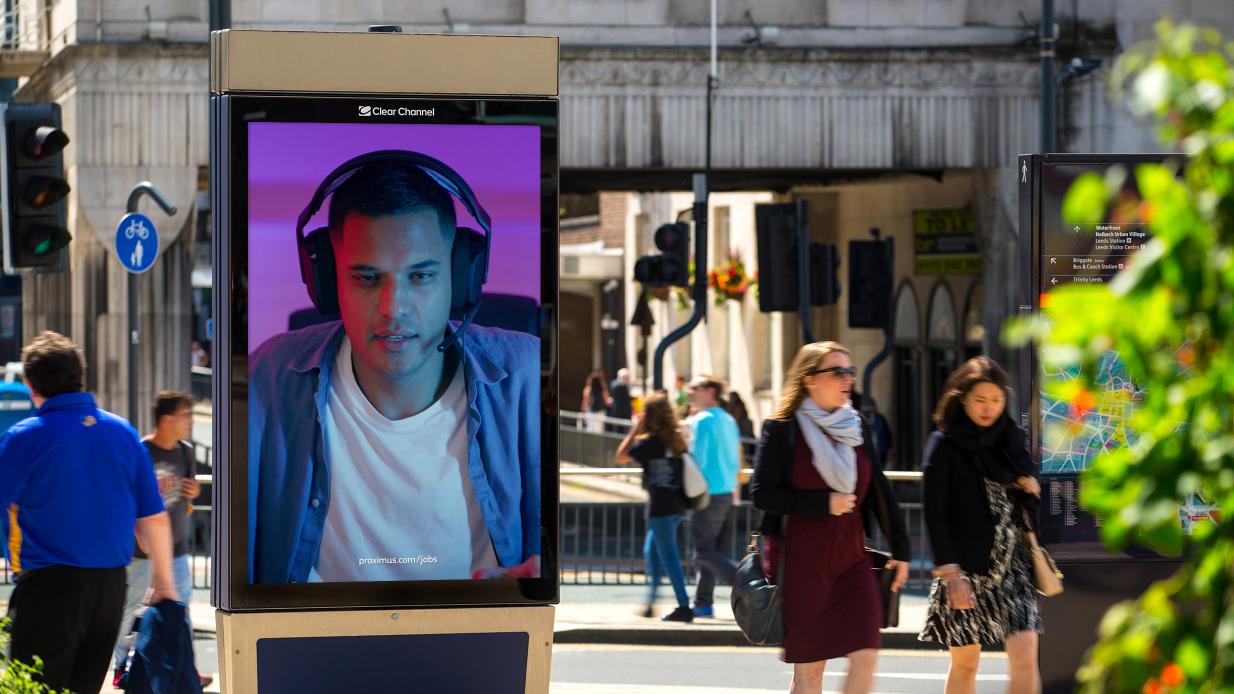
HR and employer-branding teams hiring for physical sites: plants, hospitals, logistics hubs, store networks - roles where the right candidate lives within a commute, not within a hashtag.
Recruiting is the challenge every site shares. Job boards and paid social reach the people who are actively searching, a fraction of the market, and every employer fishes in the same pond. The technician who is happy in a job across town never sees your ad, but passes the roundabout in front of your plant twice a day.
Build the plan around the workplace
-
Commute-radius targeting
We plan screens by where the job actually is: the neighborhoods, arteries and transit points within a realistic commute of your site. One-to-many, honestly: the whole neighborhood learns you are hiring, including the people not searching yet.
-
Present for the whole hiring window
Recruitment is a campaign of weeks, not a burst of hours. Guaranteed airtime means your vacancy is seen, and seen again, every day of the window: repetition is what moves a passive candidate.
-
Exclusive placements where it counts
For a site with no screen nearby, NomAds (mobile LED trucks positioned on a precise point) put your message at the plant gate, the competitor’s exit, the job fair parking.
Employer branding
Be the employer people already know
Recruiting is the challenge every site shares: the same boards, the same agencies, the same shrinking pool of people who are actively looking. The employer who fills the urgent role is the one whose name the neighborhood already knew before the vacancy opened.
-
Known before you are hiring
A steady presence inside the commute radius of your site, running whether or not a role is open. When the vacancy lands, it lands on a familiar name, not a stranger’s.
-
Show the work and the people
Real colleagues, real workshops, real shifts, on the routes into the site. The content you already post for your employer brand runs on the screens, so nothing is produced twice.
-
Your own people pass those screens too
The team sees its company on the roundabout every morning, and their faces on it when they choose to be. Something to be proud of, and something to send to a friend who is looking.
-
Measured like a campaign, not a feeling
Delivered airtime and reach inside the radius, a scan-to-apply code per site, and the applications that follow. The employer line gets a report like any other.
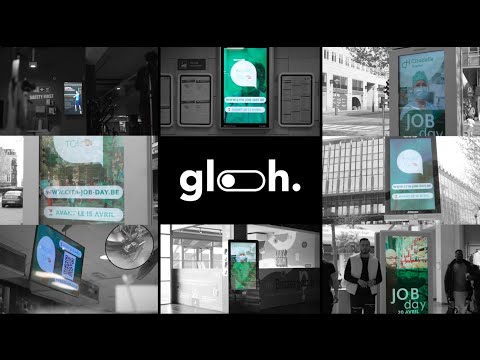
One hospital, filmed
The Citadelle hospital in Liège hires nurses and technicians the way this page describes: on the screens along the routes its future colleagues already take.
Hiring campaigns that ran
Industrial, logistics and technical recruitment on local screens. Each case carries its own site, radius and window.
Real campaigns
All case studies →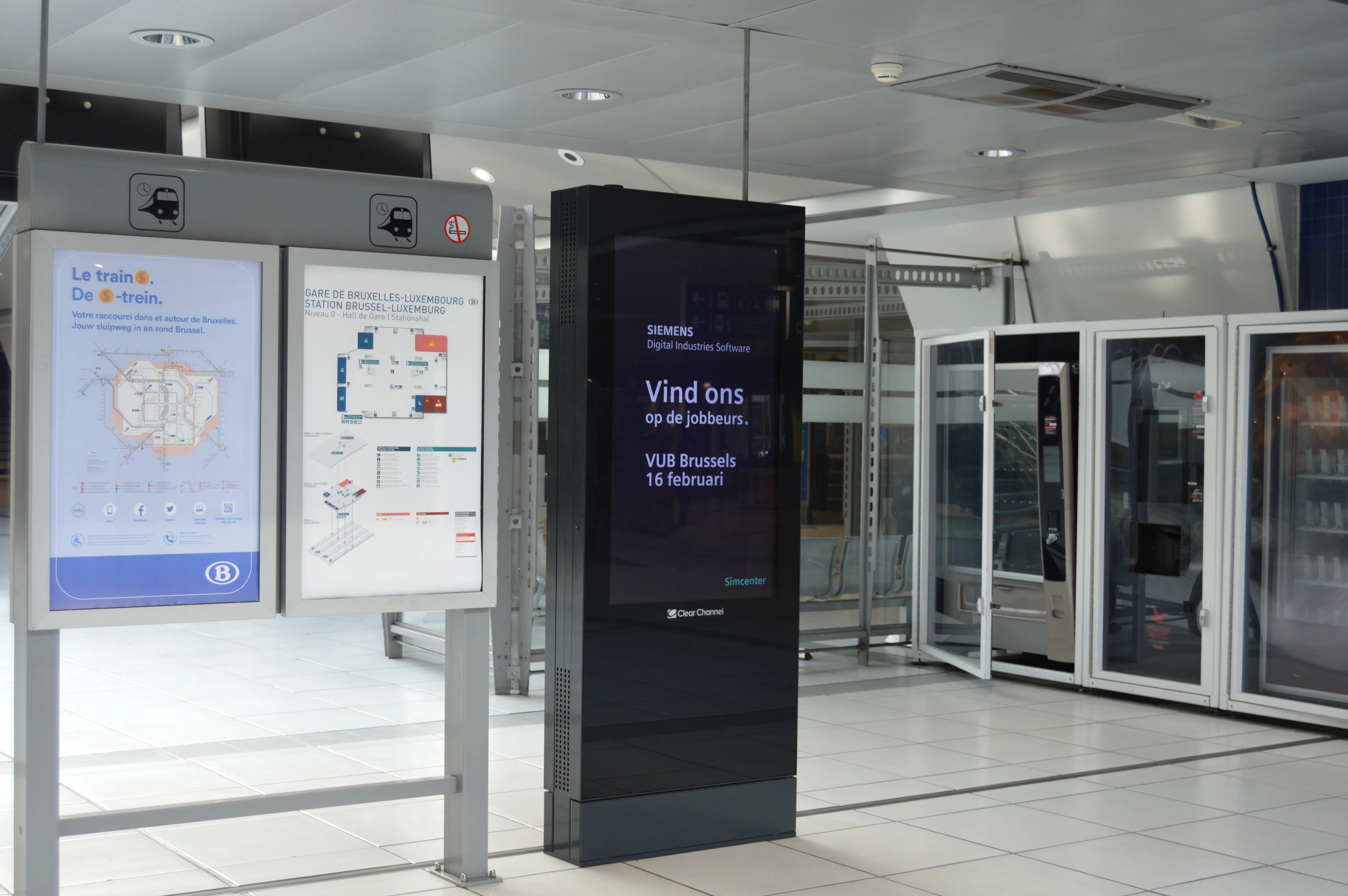
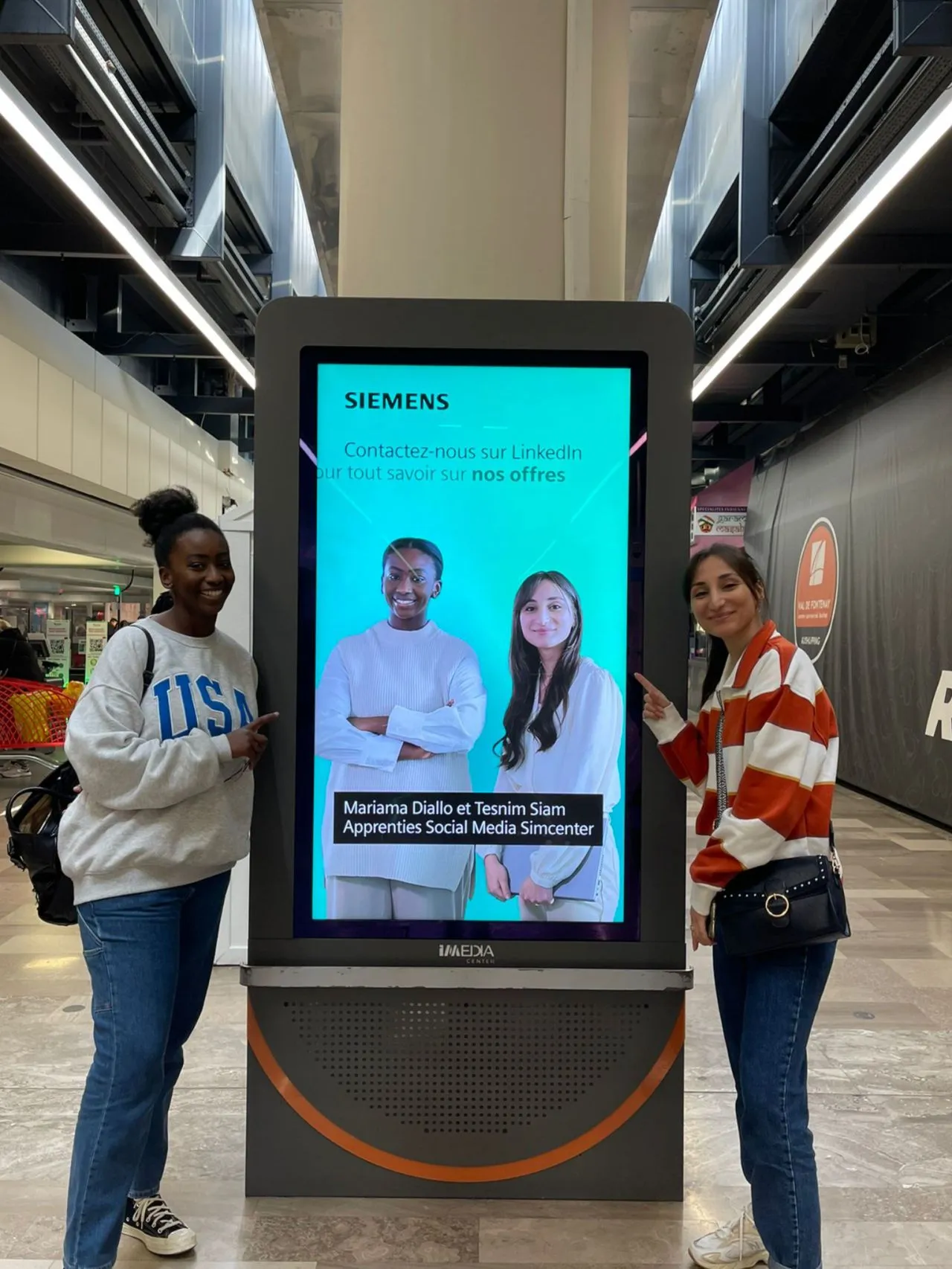
DOOH recruitment campaign: How Siemens used digital out-of-home for targeted hiring
9 screens · 6 campaign days · 117,000 contacts
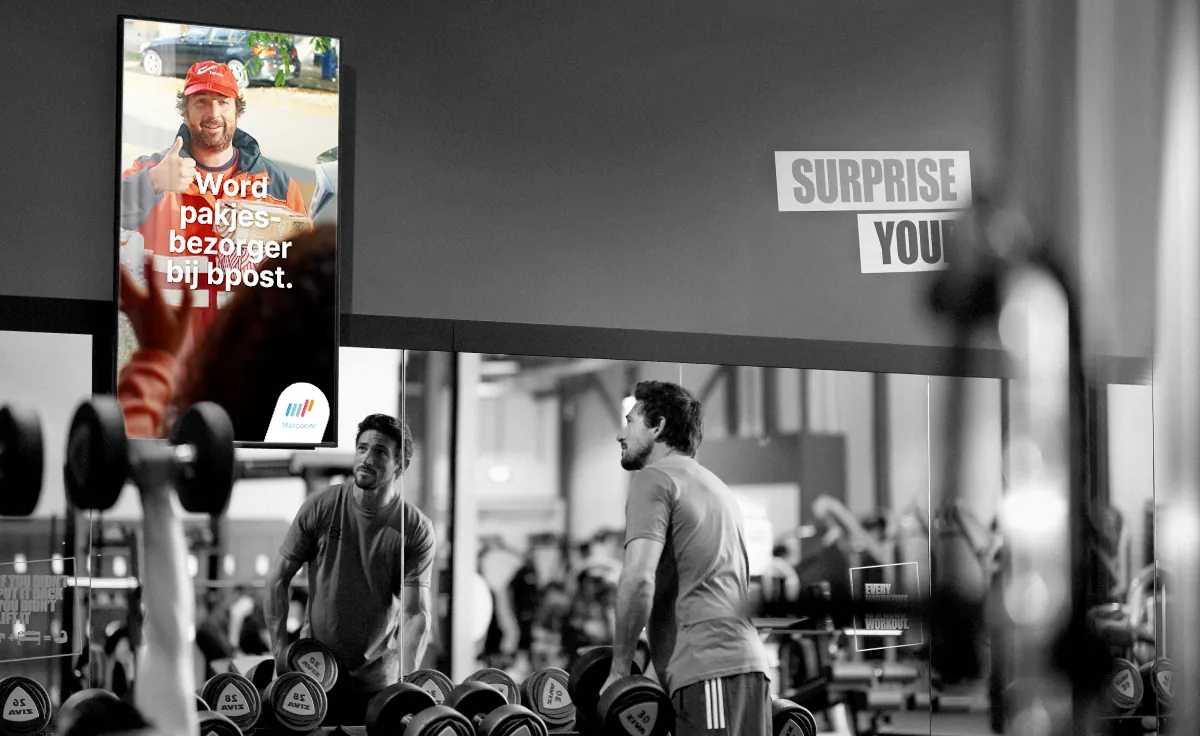
Targeted Recruitment Strategy: Manpower Boosts bpost's Recruitment Through DOOH
252 screens · 25 campaign days · 2.5M contacts
Siemens engages interns to boost apprenticeship recruitment in France
Campaign templates
All templates →
Open roles read straight from your careers feed, on the screens around the site.
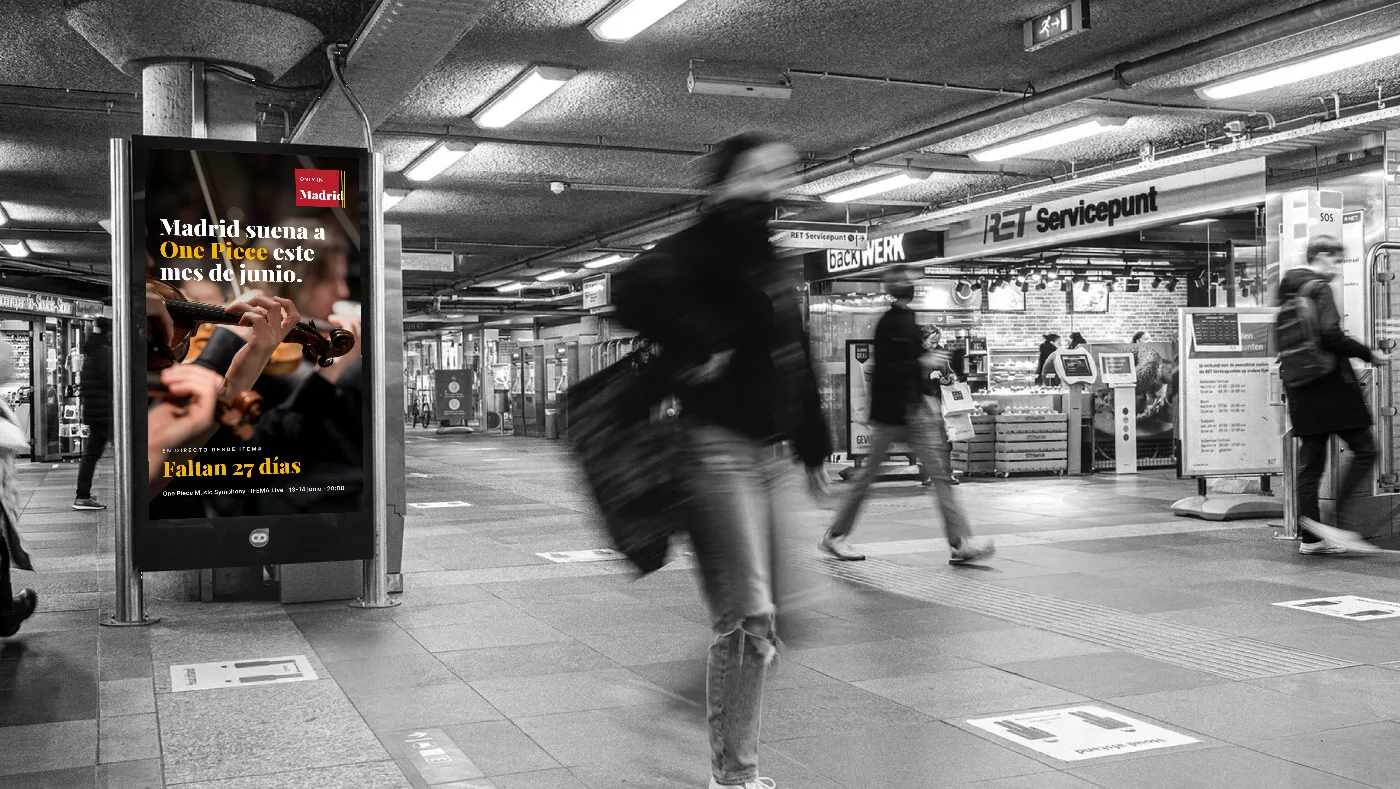
One template powered by a venue's event calendar: 80-120 events a year, each targeting the right market, with a countdown that updates itself from announcement to show night.
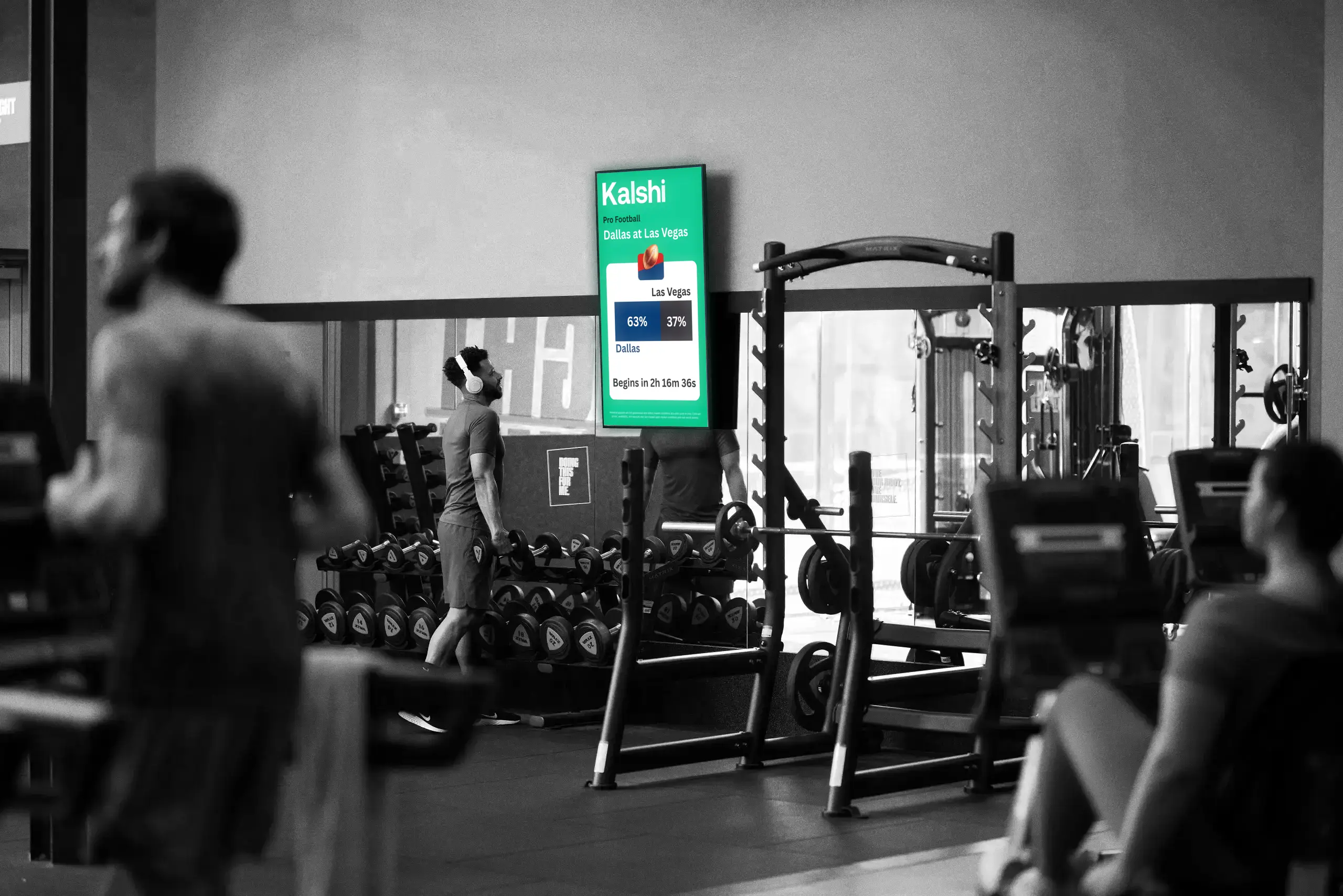
External data feed modifies the creative in real-time on screen.
Before you ask us
Job boards are cheaper per click. Why screens?
A click is only cheap if the right person was searching. Boards reach active candidates, and for technical, shift and site-based roles that is the smallest part of the market. Screens reach the commute: the whole neighborhood learns you are hiring, including the people who were not looking yet.
We hire in bursts. Can we run only when a role is open?
Yes. The screen can read your careers feed, so roles appear as they open and come off as they are filled, with no one editing a media plan. Most teams pair that with a lighter continuous employer presence, because a name people already recognize fills the urgent role faster.
There is no screen near our site. Does this still work?
Often yes, through NomAds: mobile LED trucks positioned on a precise point. The plant gate, the job-fair parking, the shift change across the road. If even that does not fit your site, we will tell you instead of selling you a plan built on the nearest city center.
Is this targeting candidates individually?
No. Employer campaigns speak about the work and the place, never about a person. There is no individual targeting and no candidate data involved. It is a one-to-many medium, which is exactly why it reaches people who are not searching.
Ready to reach 100% of your local audience?
From the content you already have to the screens in your neighborhood, in minutes, not weeks.