Retail media
The last meters before the purchase
The hardest ground in marketing is the last stretch before the checkout. glooh puts digital out-of-home (DOOH) - screens in streets, malls, supermarkets and stations - exactly there.
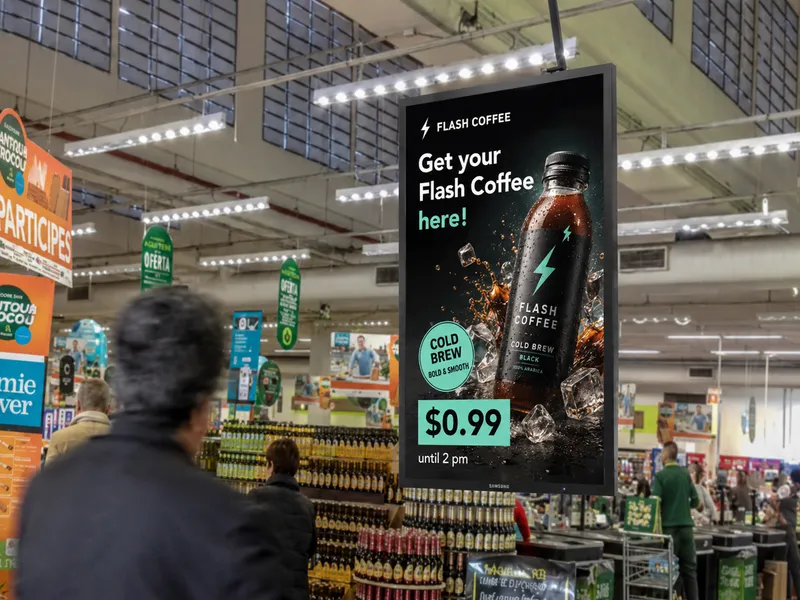
Brands sold in physical retail, retailers with their own media ambitions, and shopper-marketing teams who need presence where the basket is decided, not three postcodes away.
Digital budgets chase people at home, on a couch, hours from any shelf. In-store and near-store presence is bought venue by venue, opaque and manual, so the moment closest to the purchase is the one you influence least.
Own the last meters
-
Screens where the decision lands
Supermarket entrances, mall corridors, the roundabout before the retail park: we plan the route to the shelf, at neighborhood granularity, not a city-wide average.
-
Creative in shopping context
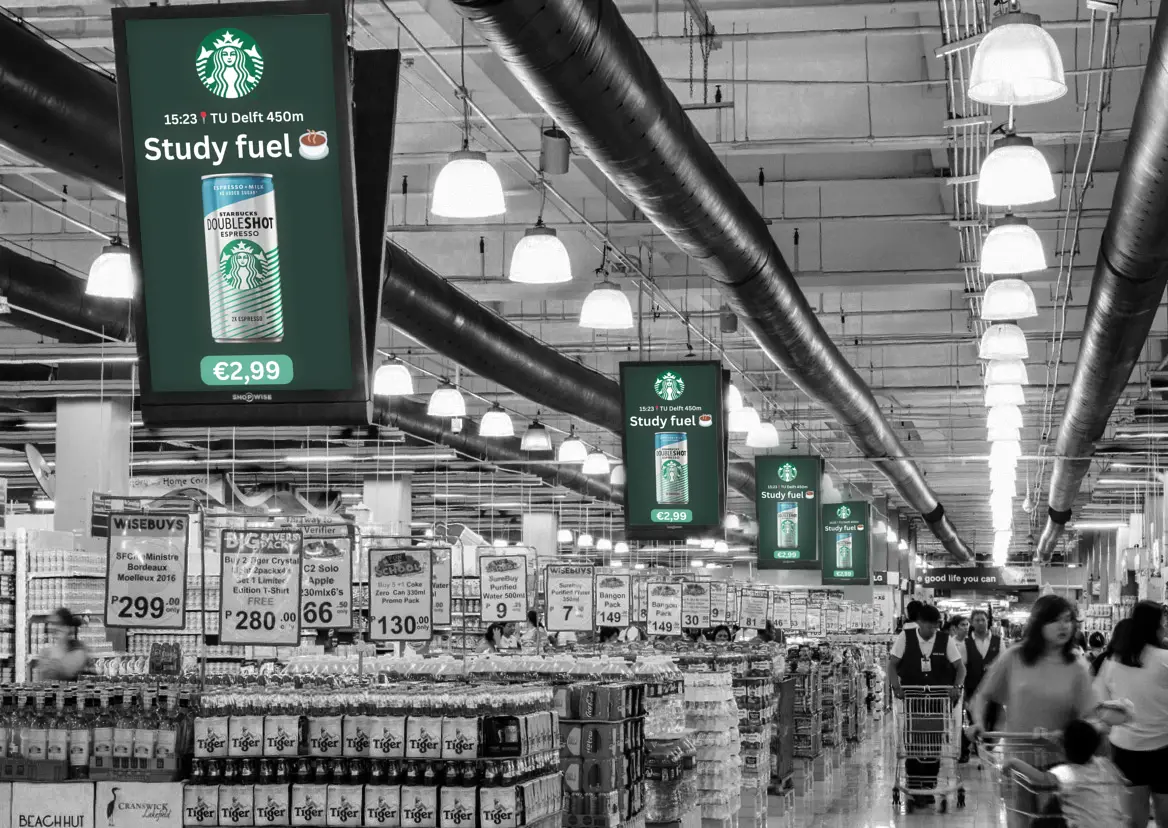
The message can carry the store it points to: the brand, the distance, the offer window. Context is what turns a screen on a shopping route into a nudge, not wallpaper.
-
Guaranteed presence during the window that matters
Promotion weeks are short. Your airtime is guaranteed for the exact window (seen, and seen again, by the same shoppers on the same routes) and verified in the report afterwards.
The category, in numbers we did not produce
Retail DOOH is not an experiment any more. A single grocer’s network, and what measurement finds when screens run next to the shelf.
- digital screens across one UK grocer’s stores
- 500 digital screens across one UK grocer’s stores
- shoppers reached every fortnight
- 6M+ shoppers reached every fortnight
- sales uplift when in-store screens run with point of sale
- up to +56% sales uplift when in-store screens run with point of sale
Sources: JCDecaux UK / Tesco / dunnhumby (network announcement, 2022) and dunnhumby measurement. These describe another operator’s network and the category’s measured effects, not glooh inventory or a glooh result.
Campaigns run on the last meters
Drive-to-store, store openings and promotion windows: the retail work where the screens sat on the route rather than over the city.
Real campaigns
All case studies →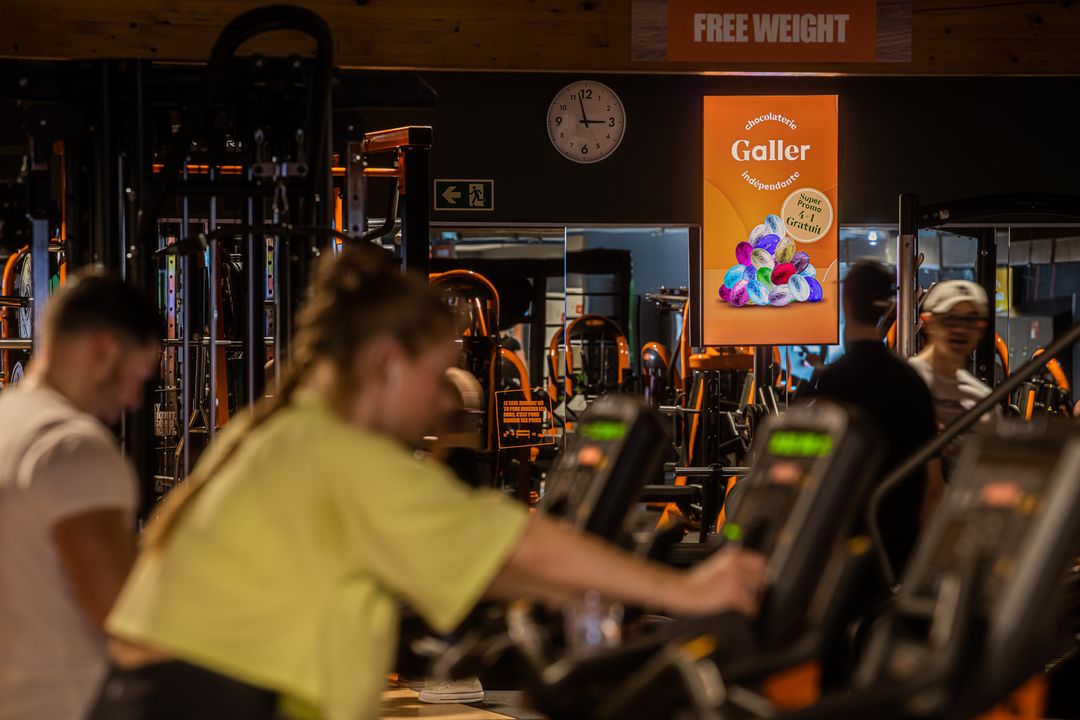
Chocolaterie Galler promotes its outlet outlets with a hyper-local drive-to-store campaign
41 screens · 7 campaign days · 293,000 contacts
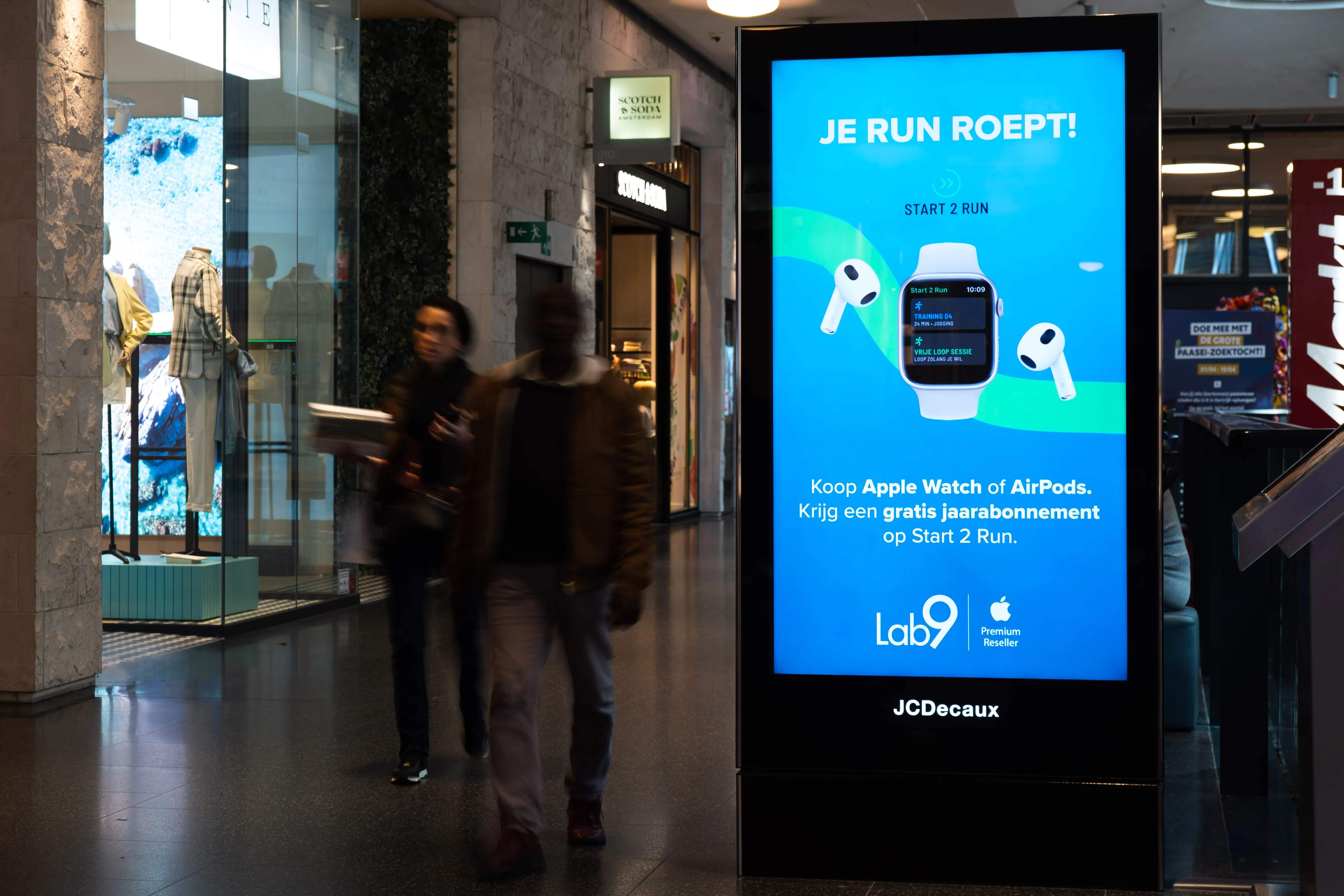
Lab9 launches a two-week campaign close to its points of sale, raising brand awareness
9 screens · 14 campaign days · 253,000 impressions
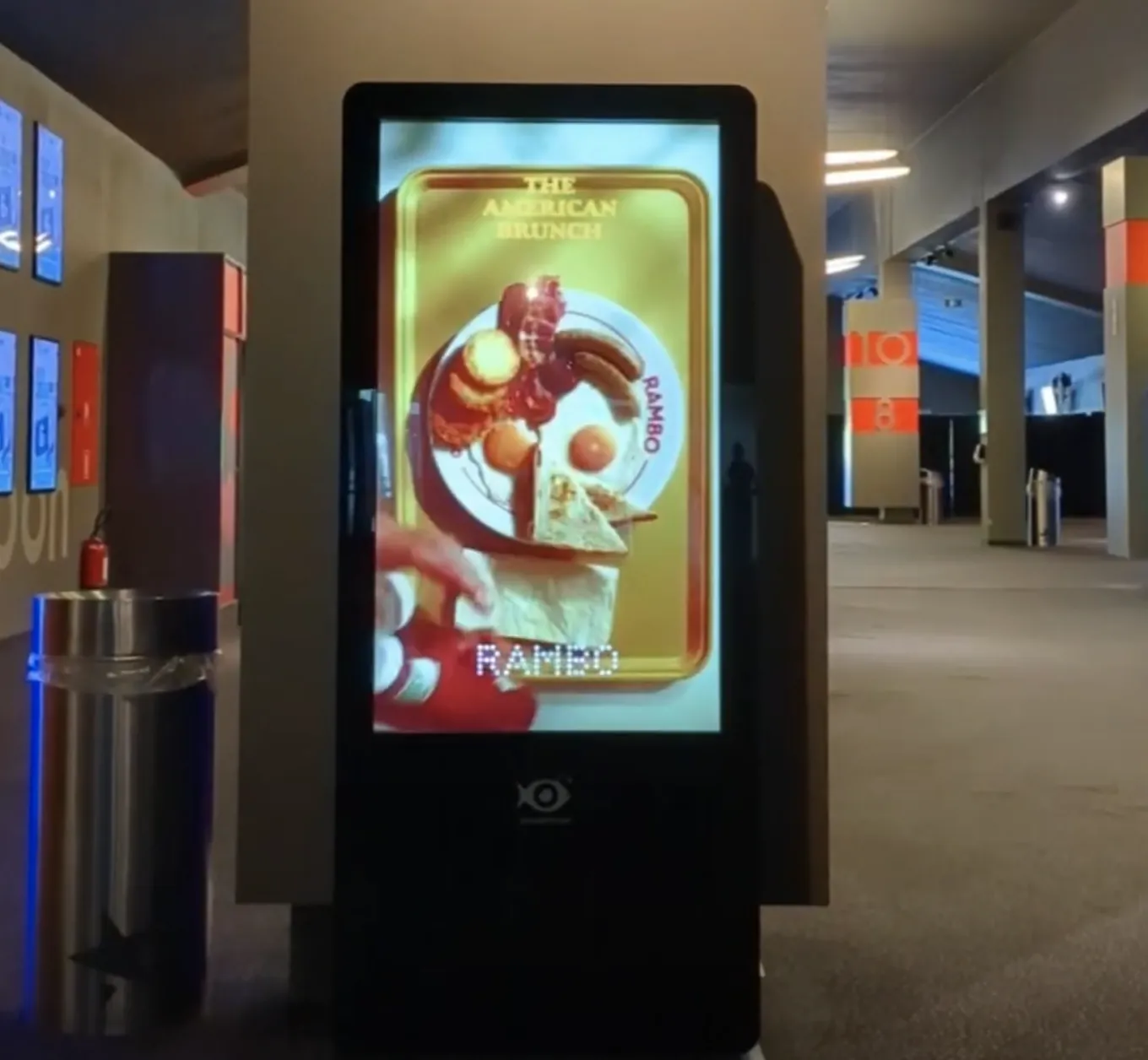
Rambo Burger boosts Sunday brunch attendance with digital campaign
Before you ask us
We already buy the retailer’s own media network. Why add this?
Because their network stops at their door. A retailer sells you the audience already inside their store; we cover the route that brings shoppers to it, the entrance they walk through, and the venues in that catchment that the retailer does not own. The two are complementary, and they land in one report here.
Can the screens carry our promotional price?
Yes. Plug in a product feed and price, stock and the end of the offer window update on screen without a new export. That is also what keeps a promotion honest: the screen stops showing an offer the moment it ends.
We are the retailer, not the brand. What is in this for us?
Your screens are inventory. The airtime between house promos can be sold to advertisers who specifically want your locations, on your rules, with verified plays and transparent payouts. That path is on the screen-owners page.
How do we measure impact this close to the shelf?
QR codes and per-zone promo codes from the first campaign, your own analytics and commerce stack connected on committed tiers, and store-level lift designed with measurement partners as a proper test against held-back control stores. We are frank that a single promotion week rarely proves itself alone.
Ready to reach 100% of your local audience?
From the content you already have to the screens in your neighborhood, in minutes, not weeks.